
Home / Residential Solar
A rooftop solar system designed around your household — how many people live there, when you use power, and what your roof can genuinely support. Quiet, tidy installation and clear numbers from day one.
Most homes use the bulk of their electricity in two blocks: the morning routine and the evening, when cooling, cooking and entertainment all run at once. A well-designed residential system covers the daytime base load directly, and — if you add a battery — shifts surplus midday generation into the evening.
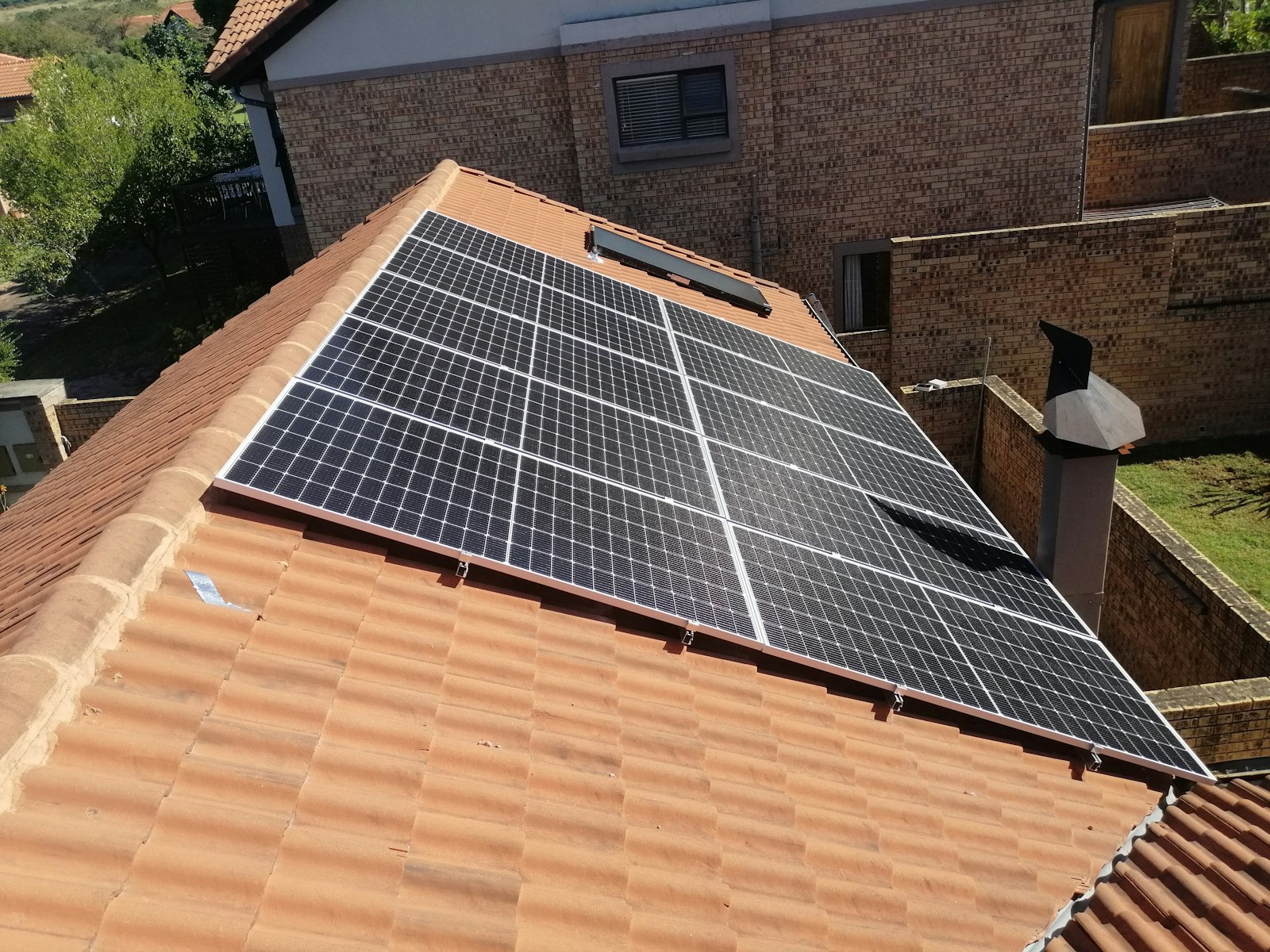
We start by reading your past bills and, where possible, logging your actual consumption for a few days. Then we model your roof in detail: orientation, tilt, obstructions such as water tanks or stair rooms, and how shadows move across it through the year. The system we propose is the one that gives you the best return for your roof, not the largest one that will physically fit.
Installation is carried out by our own crew, usually within one or two days. We protect your roof surface, route cables neatly, and leave the site cleaner than we found it.
Twelve months of bills show seasonal peaks and your true annual consumption.
A short data log shows when you use power, which decides whether storage pays.
We map usable area, tilt and shading to estimate realistic yearly generation.
We propose the size that gives the best value — and show you the trade-offs.
Straight answers to what homeowners most often ask us before going solar. Anything else, just ask — our engineers are happy to explain.
No, when done correctly. On concrete roofs we normally use raised frames with chemical anchors or ballast, and every penetration is sealed and waterproofed. On metal or tiled roofs we use mounting hardware designed for that surface. We inspect the roof before and after installation.
Yes. If you think you may want storage in future, we can install a hybrid-ready inverter now so that adding a battery later is a straightforward job rather than a redesign.
An on-grid system shuts down automatically during an outage for the safety of line workers. A hybrid system with a battery keeps your selected backup circuits running, typically lights, fans, internet and the refrigerator.
Very little. Panels benefit from periodic cleaning, especially in dusty seasons, and we recommend an annual inspection to check connections, inverter health and output against expectations.
Often, yes — with the owner’s or building committee’s approval. Shared rooftops can host a system that serves common areas or individual units. We can prepare a proposal for your landlord or committee.
Book a free home survey. You will receive a written design, a generation estimate and an itemised quote — usually within 48 hours.